
Shopping Cart

















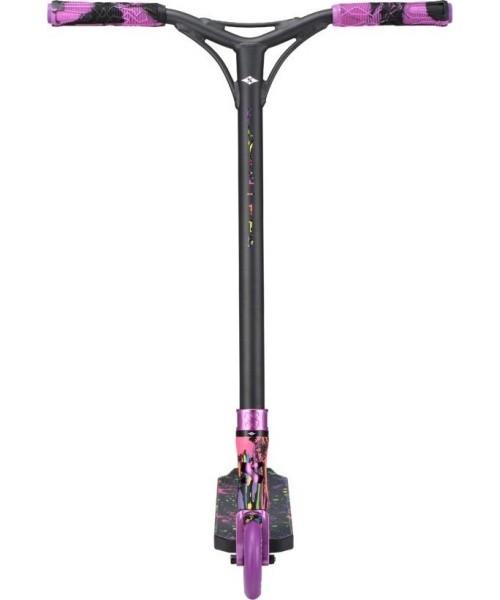
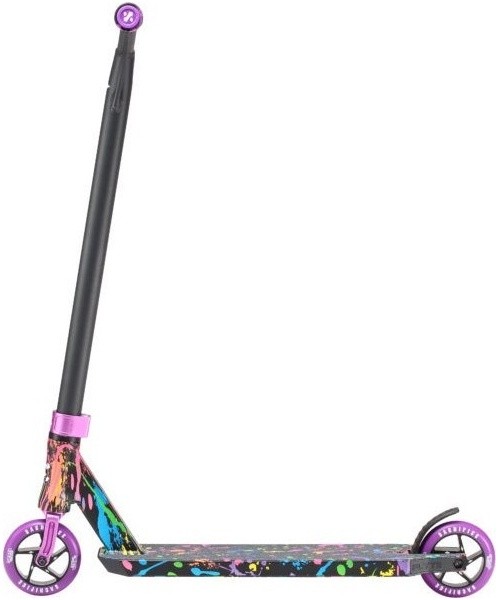


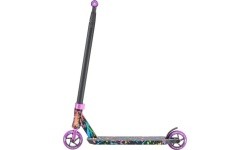


The Sacrifice Flyte 115 stunt scooter is the big brother of the world's lightest scooter, the Flyte 100, and is designed for older, more experienced riders. Many people like to modify their scooters to make them as light as possible - with this model that will be very hard to do, because everything has already been done for you. All that's left is to head to the park with this scooter and learn tricks that were not possible before.
- Handlebar: Oversize extruded 6061-T6 Al, 550mm wide x 600mm high
- Clamp: Spy 2-bolt collar clamp with 6ml high tensile bolts
- Compression: IHC
- Deck: Extruded 6061-T6 Al, 115mm x 515mm, integrated 82.5 deg headtube
- Wheels: 110mm Delta Core offset 5-spoke, 6061-T6 Al core, 88A PU
- Bearings: Sacrifice Roller Coaster Bearing
- With brake
- Weight: 3.0 kg
RULES FOR USING THE STUNT SCOOTER
Safety measures
As with any other moving device, riding a scooter can be dangerous. Before riding, read all the rules of use. Pay particular attention to the following tips:
- Always wear protective gear such as ANSI, SNELL, CPSC or ASTM certified helmets, knee and elbow pads, a long-sleeved shirt and long trousers.
- Always wear closed footwear and make sure it is properly fastened. Do not use the scooter barefoot or in sandals.
- Always follow the applicable traffic and scooter riding rules. Watch out for other vehicles and give way to pedestrians.
- Do not make any changes to the structure of the device and do not use any accessories that are not supplied with the scooter.
- Do not ride holding the device with only one hand. Hold the grips firmly with both hands.
- When riding the scooter, do not make sharp turns and do not lean your whole body on the grips in a turn, as they may twist and you may lose control.
- Do not ride the scooter on slippery or wet road surfaces, as the polyurethane wheels may slip and you may lose control. Avoid roads where water, mud, sand, gravel, leaves or other debris accumulate. Riding in the rain reduces wheel grip, braking and visibility.
- Do not ride the scooter on a steep slope, as the scooter may become uncontrollable or the brakes may not work sufficiently. Be especially careful when riding on uneven terrain. Do not ride at high speed downhill.
- Ride the scooter only on level ground; do not ride on wet, uneven, rocky or gravel surfaces. Do not ride the scooter at dusk or at night, or on damp or icy surfaces.
- Avoid potholes, drainage grates and sudden changes in the road surface, as the scooter may stop abruptly.
- Before riding, press the brake pedal and check that it works. With prolonged use of the scooter, the brake pedal may become hot, so do not touch it after stopping, as you may get burned.
- Turn the scooter handlebar left and right and check that the mechanism works properly. Before riding, also make sure the grips are held firmly.
- Children must always ride under adult supervision. Before riding, the supervising person should check the scooter to ensure all its parts are properly secured and to prevent accidents.
- Because fingers can be pinched when assembling the scooter, adults must help children assemble and adjust the scooter. Do not touch moving parts or clamping mechanism parts to avoid injuring your fingers. Make sure all parts are firmly mounted.
- If you do not follow the safety tips above, you may get injured.
- Promptly replace worn or broken parts of the device.
6-month warranty; the warranty does not cover wearing parts
The warranty is void if the device fails due to mechanical damage of the scooter, improper use or performing prohibited manoeuvres with it.
CHECK BEFORE RIDING
First, check that the brakes work.
Second, check that the grips are held properly and firmly.
Third, check that the wheels are held firmly and turn without interference.
Once you have checked everything and read the safety tips, you can start riding the scooter.
USER INSTRUCTIONS AND DEVICE MAINTENANCE
- Turn the scooter wheels and handlebar to check that the bearings of the mechanisms work smoothly. If necessary, adjust them after the first few rides by tightening or loosening the clamping bolts.
- It is recommended to fully disassemble and clean the scooter at least every 6 months. If a part needs to be replaced, make sure to order the correct part from the supplier (representative).
- If the front part of the scooter (handlebar) is loose, the handlebar column mechanism is probably not properly tightened. Do not ride with a loose handlebar. Remove the handlebar and tighten the handlebar column compression bolt with a hex key. Reinstall the handlebar and firmly tighten the handlebar clamp.
- Polyurethane wheels may wear out over time. Contact the seller and replace them with new ones so it is safe to ride.
- With regular use of the scooter, the wheels and wheel bearings may wear out. They can be easily replaced. Unscrew the nuts securing the wheel axle and pull out the wheel. Replace the wheel or bearings, then firmly tighten the nuts with a wrench from both sides of the wheel. Make sure to order the correct wheels or wheel bearings from the supplier (representative).
- Clean dirt and dust off the scooter with a damp cloth. Do not use cleaners or solvents that may damage the surface. Do not use alcohol or substances containing alcohol or ammonia for cleaning, as they may damage the surface, dissolve parts or soften stickers or sticker adhesive.
- Before riding, make sure all parts are firmly mounted.
- Mechanisms or parts may work less well over time. If any mechanism or part does not work as it should, it is recommended not to use the device, contact the supplier (representative) or importer and replace the mechanisms or parts with new ones.